🛖 Maasai Culture and Safaris: Respectful Encounters and Authentic Experiences
By
·
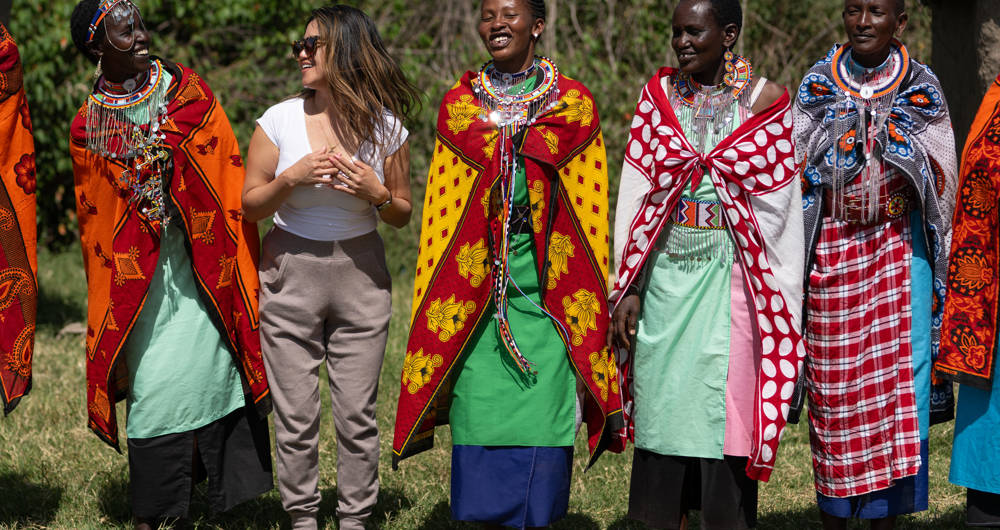
The Maasai people are among the most iconic and culturally vibrant communities in East Africa. Their bold red shukas, intricate beadwork, and deep-rooted traditions often grace safari brochures and documentaries. But beyond the aesthetic lies a rich culture and a powerful history that deserves more than just a photo op.
At Eastlink Escapades, we believe in culturally respectful travel — where guests don’t just visit but truly engage with the Maasai way of life. In this guide, we explore how you can experience authentic Maasai culture on safari, while supporting their communities and preserving traditions.
🌍 Who Are the Maasai?
The Maasai are semi-nomadic pastoralists inhabiting southern Kenya and northern Tanzania. With a history of cattle herding, warrior traditions, and communal living, the Maasai have resisted cultural assimilation and proudly maintain their language (Maa), dress, and customs.
📍 Where to Meet Them:
Kenya: Maasai Mara, Amboseli, Ngong Hills, Lake Naivasha
Tanzania: Ngorongoro Crater, Lake Natron, Serengeti regions
🦁 Combining Safari and Maasai Cultural Experiences
One of the most rewarding ways to meet the Maasai is by combining your wildlife safari with a village visit, a guided nature walk, or even a homestay experience.
Here’s how you can do it respectfully:
🛖 1. Visit a Maasai Village (Manyatta)
A well-organized village visit offers a glimpse into:
Traditional mud huts (enkangs)
Maasai dancing and singing
Fire-making demonstrations
Beadwork displays and local crafts
📝 Tip: Ensure your visit is through a tour company like Eastlink Escapades that partners with authentic, community-approved villages where the proceeds go back to the locals.
🥾 2. Go on a Maasai-Guided Nature Walk
Explore the bush the Maasai way — no guns, just knowledge. Walks are led by trained Maasai naturalists who:
Identify animal tracks and medicinal plants
Share survival skills and spiritual connections to the land
🎯 Best Spots: Loita Hills (Kenya), areas around Ngorongoro (Tanzania)
🔥 3. Participate in a Cultural Exchange or Homestay
Spend a night or afternoon with a Maasai family, helping with:
Milking cows
Cooking traditional meals
Listening to fireside storytelling
🤝 What You Gain: A deeper understanding of the Maasai lifestyle, values, and community structure.
📸 4. Photography Etiquette and Respect
While the Maasai are visually striking, always:
Ask for permission before taking photos
Offer fair tips or purchase crafts if photos are part of the visit
Avoid staged or exploitative settings
🎓 5. Support Through Education and Fair Tourism
Some safari experiences include visits to Maasai schools or health clinics. Eastlink Escapades also offers impact-focused tours that directly support Maasai-led conservation and women’s cooperatives.
💡 Did You Know? Many Maasai are now trained safari guides, rangers, and entrepreneurs preserving both wildlife and culture.
✨ Why Cultural Respect Matters
Cultural tourism can uplift communities — but only when it’s ethical and community-driven. Avoid "zoo-style" visits that objectify locals or commodify traditions. Choose authentic, educational, and mutual experiences.
📍 Eastlink Escapades Featured Maasai Culture Safaris
3-Day Maasai Mara Safari + Village Visit
🐘 Game drives + cultural immersion
💰 From $385 pp sharing
7-Day Kenya Safari & Maasai Cultural Trail
📍 Nairobi – Mara – Loita Hills – Amboseli
🏕️ Includes bush walks and campfire stories
💰 From $1,250 pp mid-range
4-Day Ngorongoro Crater + Maasai Homestay (Tanzania)
🛖 Stay in a local boma with day trips to crater
💰 From $690 pp budget-friendly
🧭 Travel Tips for Visiting the Maasai
🧣 Dress modestly when visiting villages
💬 Learn a few Maa greetings (e.g., Sopa = Hello)
🎁 Bring practical gifts (school supplies, solar lights) instead of candy or cash
📷 Be mindful of social cues before taking photos
💬 Final Word: Cultural Travel That Transforms
A safari in East Africa is not just about wildlife — it’s about people, stories, and shared humanity. By traveling with respect and curiosity, you can honor the Maasai culture and leave with far more than memories.
At Eastlink Escapades, we believe in culturally respectful travel — where guests don’t just visit but truly engage with the Maasai way of life. In this guide, we explore how you can experience authentic Maasai culture on safari, while supporting their communities and preserving traditions.
🌍 Who Are the Maasai?
The Maasai are semi-nomadic pastoralists inhabiting southern Kenya and northern Tanzania. With a history of cattle herding, warrior traditions, and communal living, the Maasai have resisted cultural assimilation and proudly maintain their language (Maa), dress, and customs.
📍 Where to Meet Them:
Kenya: Maasai Mara, Amboseli, Ngong Hills, Lake Naivasha
Tanzania: Ngorongoro Crater, Lake Natron, Serengeti regions
🦁 Combining Safari and Maasai Cultural Experiences
One of the most rewarding ways to meet the Maasai is by combining your wildlife safari with a village visit, a guided nature walk, or even a homestay experience.
Here’s how you can do it respectfully:
🛖 1. Visit a Maasai Village (Manyatta)
A well-organized village visit offers a glimpse into:
Traditional mud huts (enkangs)
Maasai dancing and singing
Fire-making demonstrations
Beadwork displays and local crafts
📝 Tip: Ensure your visit is through a tour company like Eastlink Escapades that partners with authentic, community-approved villages where the proceeds go back to the locals.
🥾 2. Go on a Maasai-Guided Nature Walk
Explore the bush the Maasai way — no guns, just knowledge. Walks are led by trained Maasai naturalists who:
Identify animal tracks and medicinal plants
Share survival skills and spiritual connections to the land
🎯 Best Spots: Loita Hills (Kenya), areas around Ngorongoro (Tanzania)
🔥 3. Participate in a Cultural Exchange or Homestay
Spend a night or afternoon with a Maasai family, helping with:
Milking cows
Cooking traditional meals
Listening to fireside storytelling
🤝 What You Gain: A deeper understanding of the Maasai lifestyle, values, and community structure.
📸 4. Photography Etiquette and Respect
While the Maasai are visually striking, always:
Ask for permission before taking photos
Offer fair tips or purchase crafts if photos are part of the visit
Avoid staged or exploitative settings
🎓 5. Support Through Education and Fair Tourism
Some safari experiences include visits to Maasai schools or health clinics. Eastlink Escapades also offers impact-focused tours that directly support Maasai-led conservation and women’s cooperatives.
💡 Did You Know? Many Maasai are now trained safari guides, rangers, and entrepreneurs preserving both wildlife and culture.
✨ Why Cultural Respect Matters
Cultural tourism can uplift communities — but only when it’s ethical and community-driven. Avoid "zoo-style" visits that objectify locals or commodify traditions. Choose authentic, educational, and mutual experiences.
📍 Eastlink Escapades Featured Maasai Culture Safaris
3-Day Maasai Mara Safari + Village Visit
🐘 Game drives + cultural immersion
💰 From $385 pp sharing
7-Day Kenya Safari & Maasai Cultural Trail
📍 Nairobi – Mara – Loita Hills – Amboseli
🏕️ Includes bush walks and campfire stories
💰 From $1,250 pp mid-range
4-Day Ngorongoro Crater + Maasai Homestay (Tanzania)
🛖 Stay in a local boma with day trips to crater
💰 From $690 pp budget-friendly
🧭 Travel Tips for Visiting the Maasai
🧣 Dress modestly when visiting villages
💬 Learn a few Maa greetings (e.g., Sopa = Hello)
🎁 Bring practical gifts (school supplies, solar lights) instead of candy or cash
📷 Be mindful of social cues before taking photos
💬 Final Word: Cultural Travel That Transforms
A safari in East Africa is not just about wildlife — it’s about people, stories, and shared humanity. By traveling with respect and curiosity, you can honor the Maasai culture and leave with far more than memories.